

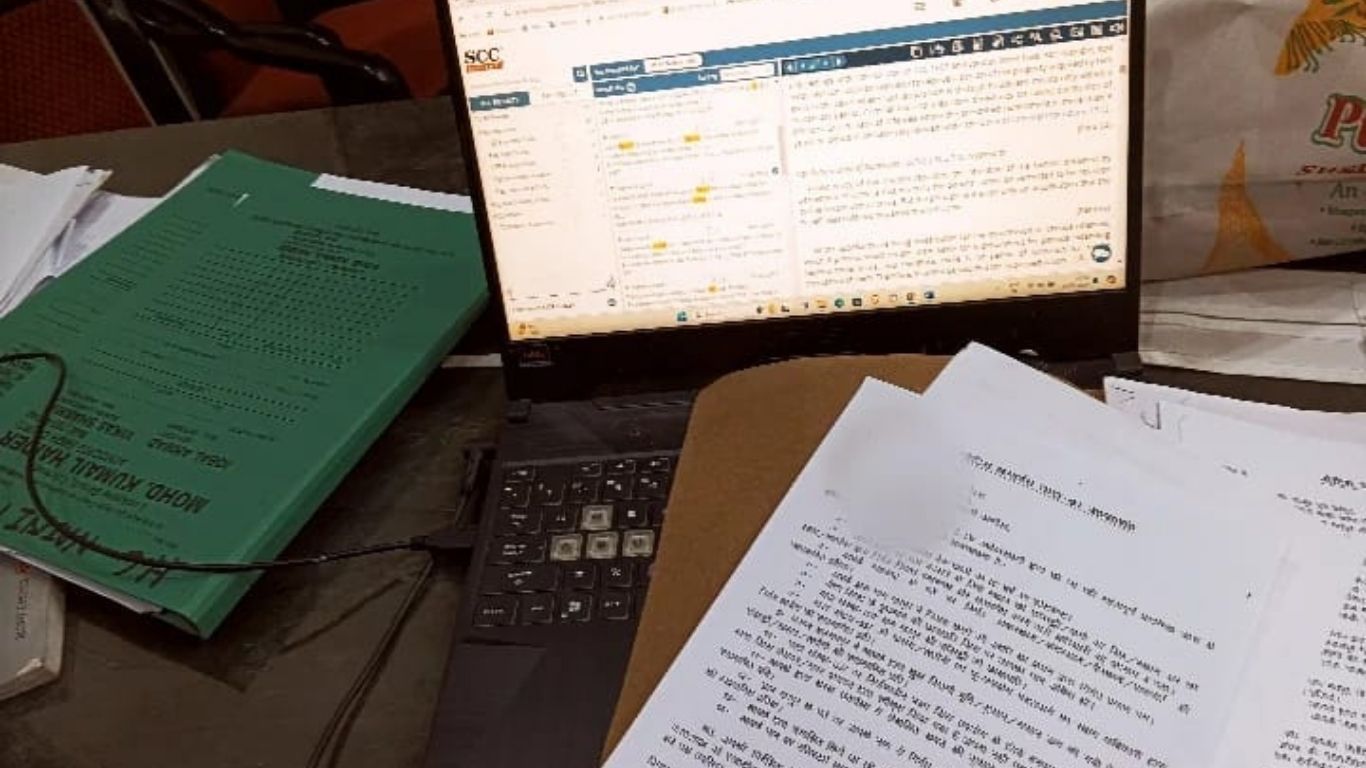
Legal Practice & Procedure – 1 Legal Practice & Procedure – 1 My client approached me after he received a summon and a copy of final report filed by police in a criminal complaint that his late father was fighting during his lifetime against the perpetrators for committing fraud and forgery. My client wanted to continue the prosecution despite the final report. The question of law involved was “whether legal heir may substitute the deceased complainant in a criminal complaint and pursue it further.” Case – Chand Devi Daga v. Manju K. Humatani, (2018) 1 SCC 71 Bench – Justice Dr. A.K.Sikri and Justice Ashok Bhushan Research – Even in case of trial of summons case it is not necessary or mandatory that after the death of complainant the complaint is to be rejected, in exercise of the power under proviso to Section 256(1), the Magistrate can proceed with the complaint. More so, the present is a case where offence was alleged under Sections 420, 467, 468, 471, 120-B and 201 read with Section 34 IPC for which procedure for trial of summons case was not applicable and there is no provision in Chapter XIX “Trial of warrant cases by Magistrates” containing a provision that in the event of death of the complainant the complaint is to be rejected. The Magistrate under Section 249 has power to discharge a case where the complainant is absent. The discharge under Section 249, however, is hedged with condition that “the offence may be lawfully compounded or is not a cognizable offence”. Had the 1973 Code intended that in case of death of complainant in a warrant case the complaint is to be rejected, the provision would have indicated any such intention which is clearly absent. Home – The Law Office Of MKH
Legal Practice & Procedure – 2
Legal Practice & Procedure – 2 Legal Practice & Procedure – 2 The other day, I happened to read about – “The Doctrine Of Blue Pencil” in a judgement rendered by the Hon’ble Supreme Court. Sharing the summary of the legal principle which may be quite handy for the fellow legal practitioners out there. Case – Beed District Central Coop. Bank Ltd. v. State of Maharashtra, (2006) 8 SCC 514 Bench – Justice S.B.Sinha & Justice Dalveer Bhandari The “doctrine of blue pencil” was evolved by the English and American courts. Blue pencil doctrine is judicial test/ standard for deciding whether to invalidate the whole contract or only the offending words. Under this standard, only the offending words are invalidated if it would be possible to delete them simply by running a blue pencil through them, as opposed to changing, adding, or rearranging words. This doctrine holds that if courts can render an unreasonable restraint reasonable by scratching out the offensive portions of the covenant, they should do so and then enforce the remainder. Traditionally, the doctrine is applicable only if the covenant in question is applicable, so that the unreasonable portions may be separated. The standard of blue pencil doctrine enables the court to strike parts of a covenant or contract not to compete, in order to make the covenant reasonable.

Legal Practice & Procedure – 3
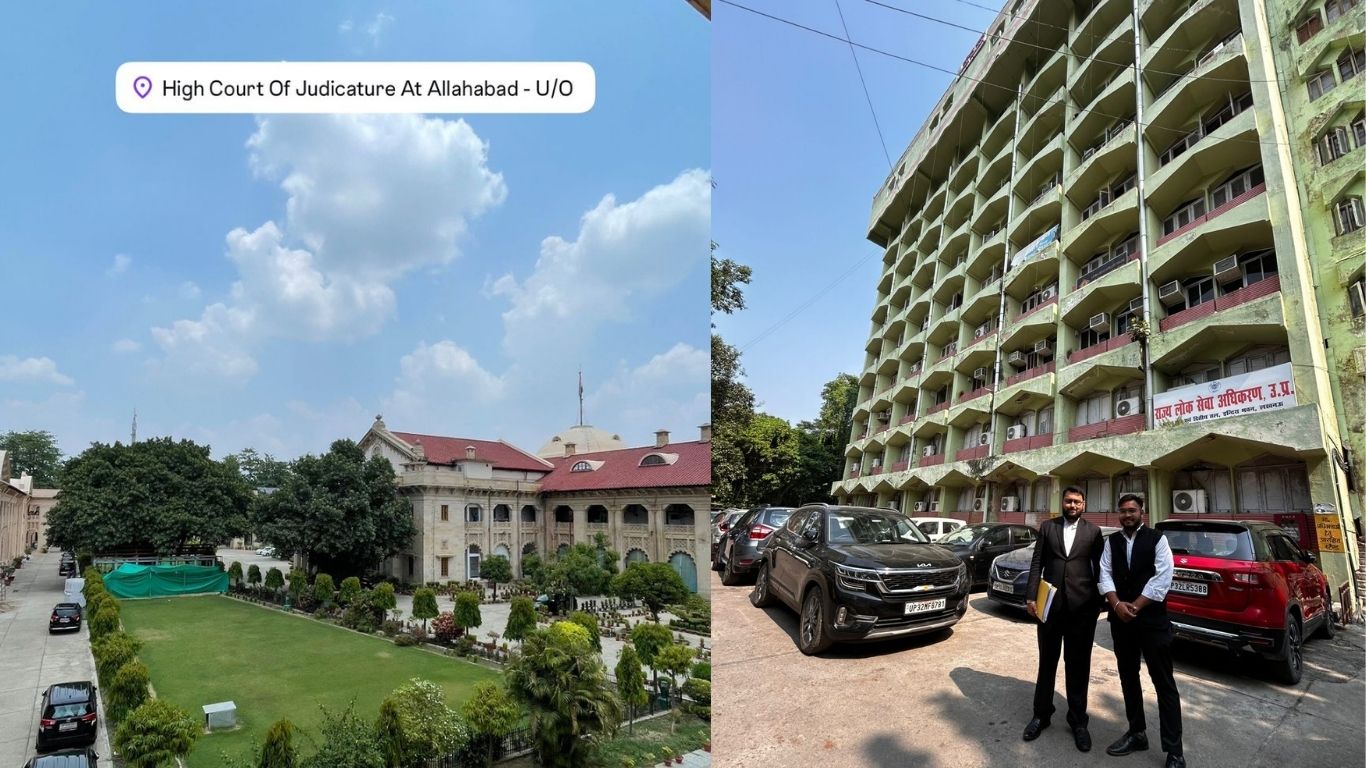
Legal Practice & Procedure – 3 Legal Practice & Procedure – 3 One of my clients is a co- accused with three other accused in the offence u/s 392, 411 of IPC. The roles of all the accused, including knowledge of the crime given effect is largely varied. This brought me to the occasion of evaluating as to whether and how will the trial transpire if it goes along with the other accused (involving the prime accused). To avoid misjoinder of charges during the trial, I will move an application u/s 218 of CrPC. The broad objective is to avail my client a notice of precise accusation and to save him from being embarrassed in his defence by the confusion which is likely to result from lumping together in a single charge distinct offences and from combining several charges at one trial. On this very notion of law, there’s a conception well explained in the following authority. Case : Nasib Singh v. State of Punjab and Another (2022) 2 Supreme Court Cases 89 Bench : Justice Dr. D.Y.Chandrachud,. Justice Vikram Nath, Justice B.V. Nagarathna Holding a separate trial is the rule and a joint trial is the exception. Section 218 provides that separate trials shall be conducted for distinct offences alleged to be committed by a person. Sections 219-221 provide exceptions to this general rule. If a person falls under these exceptions, then a joint trial for the offences which a person is charged with may be conducted. Similarly, under Section 223, a joint trial may be held for persons charged with different offences if any of the clauses in the provision are separately or on a combination satisfied. Importantly, while applying the principles enunciated in Sections 218-223 on conducting joint and separate trials, the trial court should apply a two-pronged test, namely,(i) whether conducting a joint/separate trial will prejudice the defence of the accused; and/or (ii) whether conducting a joint/separate trial would cause judicial delay. The possibility of conducting a joint trial will have to be determined at the beginning of the trial and not after the trial based on the result of the trial. The appellate court may determine the validity of the argument that there ought to have been a separate/joint trial only based on whether the trial had prejudiced the right of accused or the prosecutrix. A conviction or acquittal of the accused cannot be set aside on the mere ground that there was a possibility of a joint or a separate trial. To set aside the order of conviction or acquittal, it must be proved that the rights of the parties were prejudiced because of the joint or separate trial, as the case may be. Home – The Law Office Of MKH
Legal Practice & Procedure – 4
Legal Practice & Procedure – 4 Legal Practice & Procedure – 4 A police official accused of lodging a false case is not entitled to claim immunity from prosecution without the requisite sanction under Section 197 of the Code of Criminal Procedure. The protection granted by Section 197 CrPC is limited to acts performed in the course of official duties. The Supreme Court has reiterated in a multitude of decisions that any misuse or abuse of powers by a public servant for an unlawful purpose, such as coercing a tutored statement or attempting to procure signatures on a blank sheet of paper; effecting the illegal detention of an accused; participating in a criminal conspiracy to fabricate false documents; conducting a search with the sole aim of harassing and intimidating individuals, amongst others, cannot be protected under the aegis of Section 197 Cr.P.C. Home – The Law Office Of MKH
Legal Practice & Procedure – 5
Legal Practice & Procedure – 5 Legal Practice & Procedure – 5 Legal issue – “When can the plea of ignorance of law be taken as a defence from incurring any liability?” There is a four-prong test wherein for a valid defence, there must exist- (1) an ignorance or unawareness of any law and (2) such ignorance or unawareness must give rise to a corresponding reasonable and legitimate right or claim (3) the existence of such right or claim must be believed bonafide and (4) the purported act sought to be punished must take place on the strength of such right or claim. Hence, it is only when all the four of the above conditions are fulfilled, that the person would be entitled to take a plea of ignorance of law as a defence from incurring any liability. Home – The Law Office Of MKH
Legal Practice & Procedure – 6
Legal Practice & Procedure – 6 Legal Practice & Procedure – 6 It is one thing to have the opportunity of observation, or even the intelligence to observe correctly, but it is still another to be able to retain accurately, for any length of time, what we have once seen or heard, and what is perhaps more difficult is still to be able to describe it intelligibly. Many witnesses have seen one part of a transaction and heard about another part, and later on become confused in their own minds, or perhaps only in their modes of expression, as to what they have seen themselves and what they have heard from others. All witnesses are prone to exaggerate to enlarge or minimize the facts to which they, take oath. Home – The Law Office Of MKH

Legal Practice & Procedure – 7
Legal Practice & Procedure – 7 Legal Practice & Procedure – 7 “Some advocates come into court trusting entirely to a naturally good memory, reinforced by a few pencil marks scattered here and there amongst disordered papers. They have no notes at all, they do not forecast the probable course of the case and they have given it nothing that can be called thought. They assume that as soon as they have got a general idea of the matter to be debated, they can fight it adequately. Never was there a greater mistake, and men who do their work like this, are usually failures throughout their life.” Sir Grimwood Mears, Former Chief Justice, Allahabad High Court Home – The Law Office Of MKH

Legal Practice & Procedure – 8
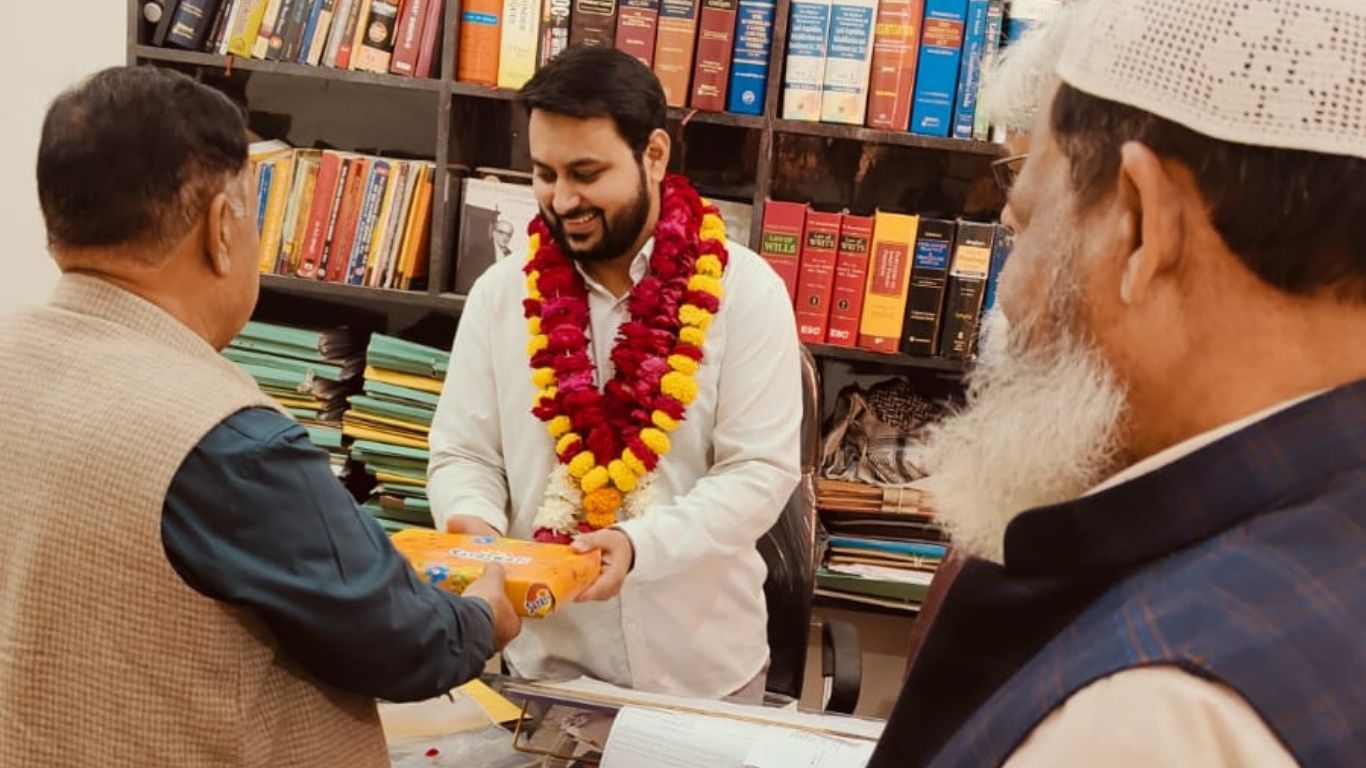
Legal Practice & Procedure – 8 Legal Practice & Procedure – 8 Lawyers when arguing in court must tailor their note-taking methods to their personal habits and memory capacity, balancing brevity with thoroughness to avoid being either repetitive or superficial. Home – The Law Office Of MKH
Legal Practice & Procedure – 9
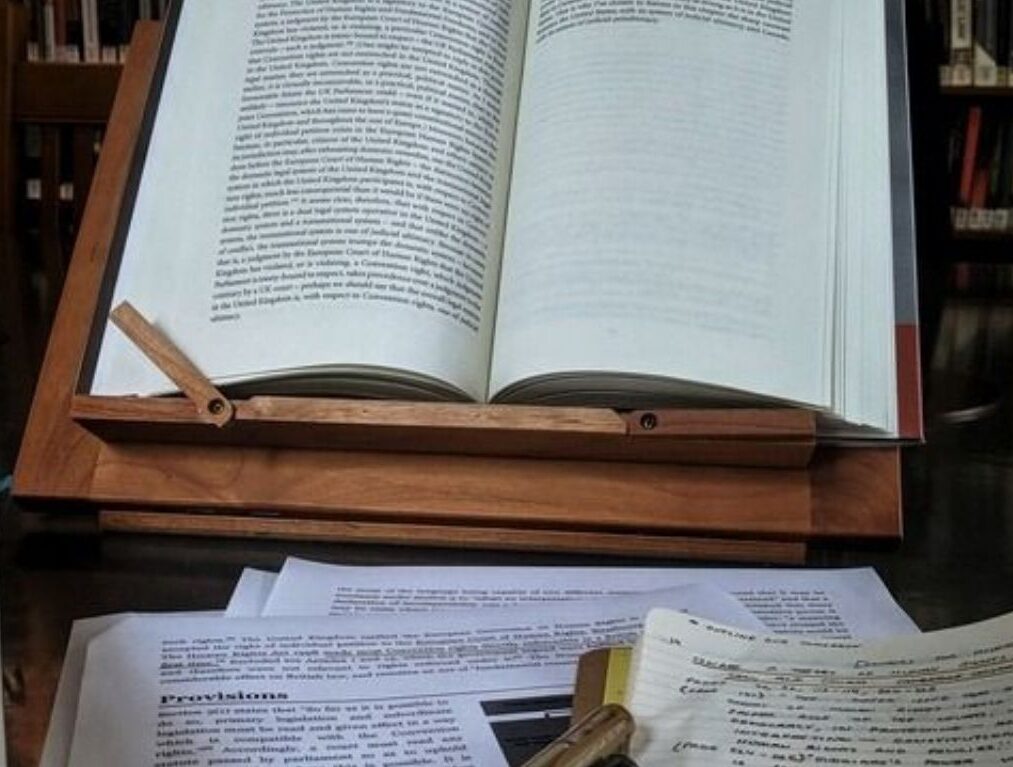
Legal Practice & Procedure – 9 Legal Practice & Procedure – 9 The phrase “Waqf by user” refers to land or property that has been treated as waqf over time through continuous public or religious use, even if no formal waqf deed exists. If a piece of land has been used as a mosque, graveyard, or for other religious purposes for a long time — and that use has been uninterrupted and publicly acknowledged — it may be recognised as waqf property “by user”. “Uninterrupted usage” and “Public acknowledgement” are the key words here. Home – The Law Office Of MKH
Legal Practice & Procedure – 10
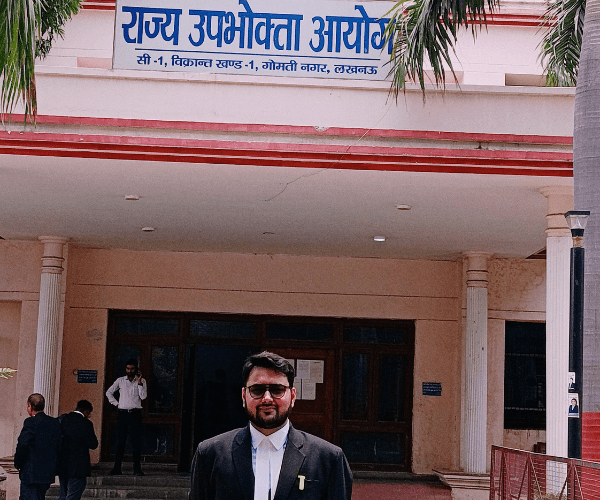
Legal News Legal Practice & Procedure – 10 No lawyer can know every case detail, so listening carefully is essential. Clients share important information, but some talk too much or miss key points. A good lawyer must patiently hear them out while knowing when to gently guide the conversation. The skill lies in balancing two things: understanding the client’s full story, but also focusing on what matters legally. With experience, lawyers learn when to dig deeper and when to steer the talk. This careful listening builds trust and helps build stronger cases. Great lawyers don’t just hear – they listen with purpose. Home – The Law Office Of MKH
Legal Practice & Procedure – 11
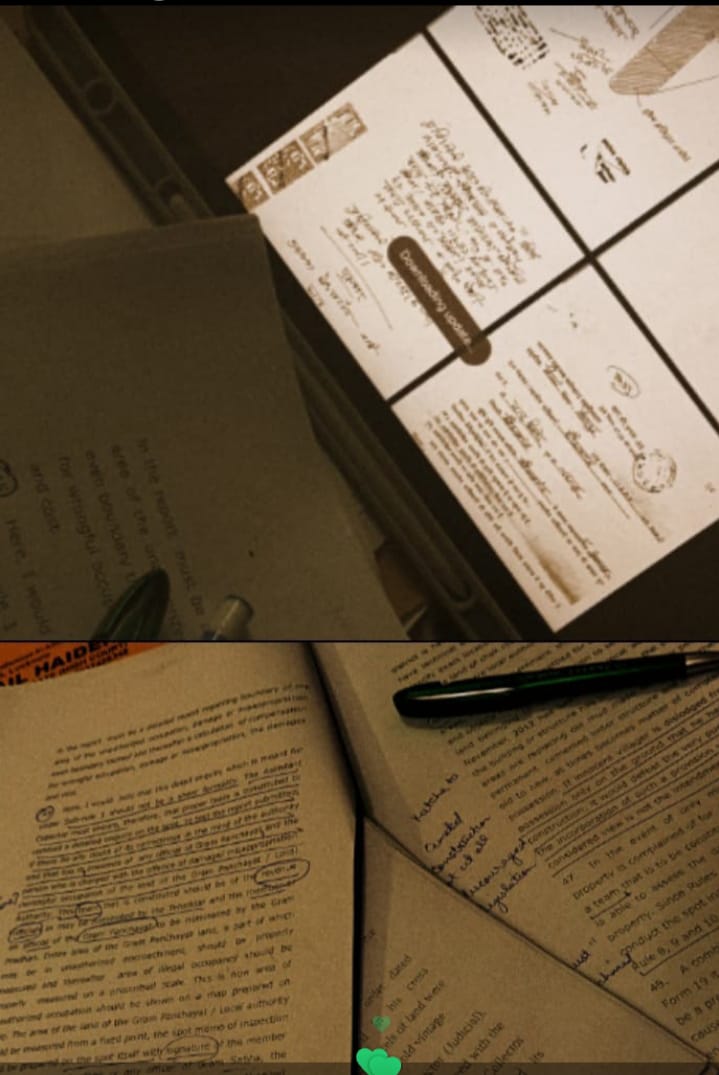
Legal Practice & Procedure – 11 Legal Practice & Procedure – 11 A good lawyer knows how to handle different types of judges. Some judges listen quietly, while others keep asking questions and even answer themselves. In such cases, the lawyer must stay patient and sharp. The lawyer must listen carefully to the judge’s questions, pick out the key legal and factual points, and then reply to each one clearly. Instead of getting frustrated, one may use the judge’s questions as a guide to shape arguments. With experience, a lawyer learns to turn this challenge into an advantage, making the case stronger while keeping the argumentative spirits on hold and at calm.
Legal Practice & Procedure – 32
Legal Practice & Procedure – 32 Legal Practice & Procedure – 32 I have learnt the lesson that in litigation, human effort is indispensable, but destiny governs the final relief. An advocate’s role is defined by discipline, diligence, and devotion to the client’s cause. In fact the lawyer must labor tirelessly, researching precedents, drafting with precision, and representing with sense sincerity while being the officer of the court, ensuring due diligence. Yet the outcome rests in the wisdom of the Bench. Thus, advocacy is both a craft of rigorous discipline and a humble submission to the systematic destiny.

Legal Practice & Procedure – 31
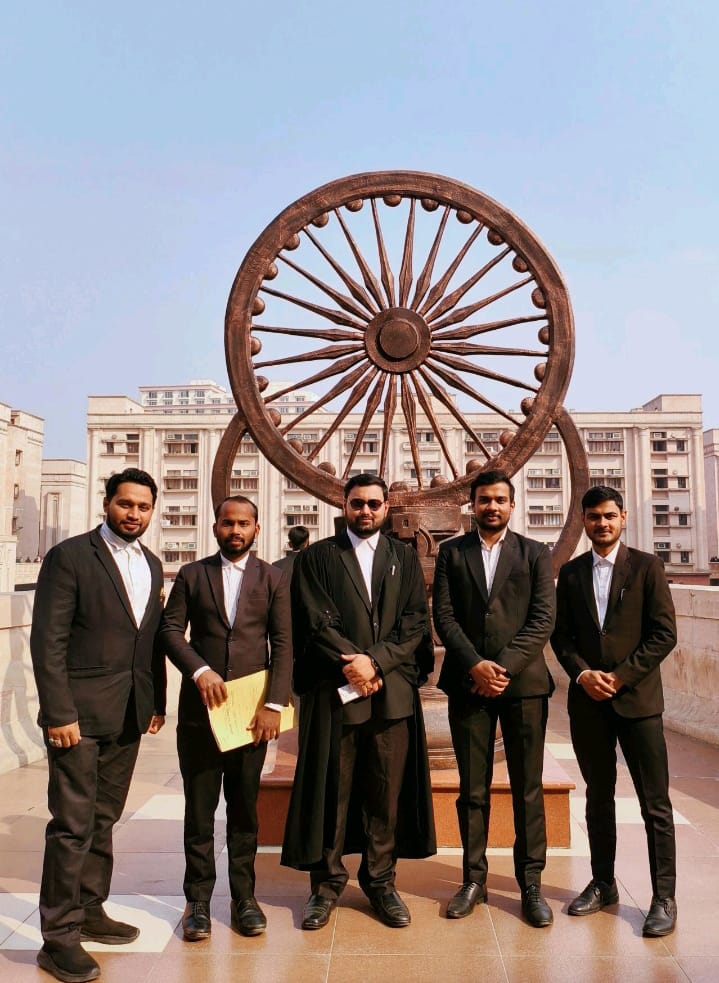
Legal Practice & Procedure – 31 Legal Practice & Procedure – 31 Advocacy is a lively blend of timing, persuasion, and preparation. The advocate must master the case file until it practically bows in respect, then select facts with the finesse of a chef choosing spices. Persuasion should be subtle, never loud, and strategy must be sharp, like a chess player anticipating moves. One must study the brief, the judge, and even the opponent’s quirks, sometimes their habits reveal more than their arguments. Advocacy is basically scholarship, theatre, and wit combined, where the right word at the right moment wins the day.
Legal Practice & Procedure – 30
Legal Practice & Procedure – 30 Legal Practice & Procedure – 30 While working on a case related to the Essential Commodities Act, I happened to read a notable judgment authored by Justice K. J. Vaidya, arising from an appeal by the State of Gujarat against the order of the learned Chief Judicial Magistrate, Nadiad, in Criminal Case concerning Kiritbhai Maganbhai Patel, tried under Sections 3 and 7 of the Essential Commodities Act, 1955, the Court made a striking observation. Justice Vaidya lamented the malignant and dishonest device of “shifting responsibility” among public servants, a tendency which, he remarked, has been steadily increasing and has now assumed the character of a chronic disease, draining the very vitals of public interest. To illustrate this malaise, Justice Vaidya invoked a timeless anecdote: “This is the story of four people – Everybody, Somebody, Anybody, and Nobody. There was an important task to be done. Everybody was certain Somebody would do it. Anybody could have done it, but Nobody did. Somebody grew angry, for it was Everybody’s responsibility. Everybody thought Anybody could do it, but Nobody realized that Everybody would not. In the end, Everybody blamed Somebody, when Nobody did what Anybody could have.”
Legal Practice & Procedure – 29
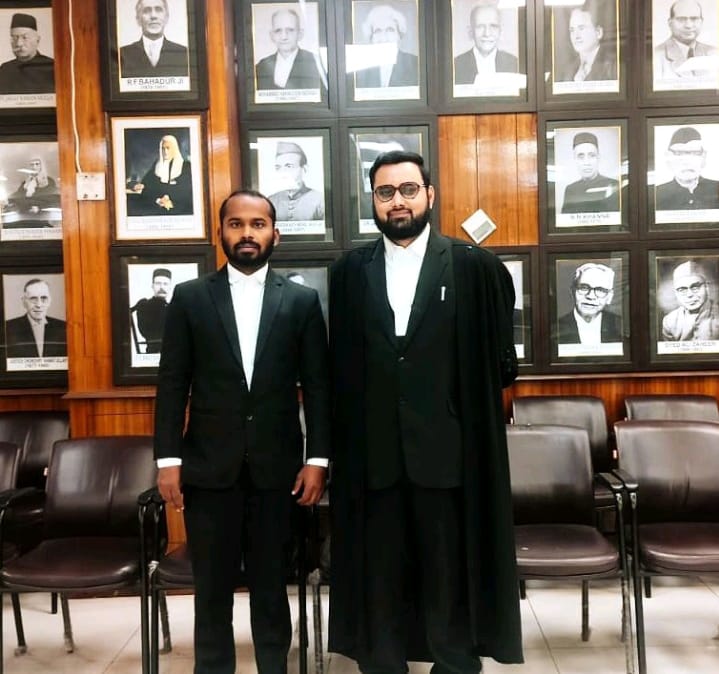
Legal Practice & Procedure – 29 Legal Practice & Procedure – 29 Archimedes, the renowned ancient Greek mathematician, physicist, and inventor, was celebrated for his profound contributions to geometry, mechanics, and hydrostatics, and for his timeless wisdom on human conduct. His maxim, “He who knows how to speak, knows also when,” captures the essence of strategic communication. For a litigation lawyer, this principle is indispensable. Courtroom advocacy demands not only eloquence but also the discernment of timing. Whether raising an objection, cross-examining a witness, or delivering final arguments, success lies in speaking with precision at the right moment. Thus, Archimedes’ insight mirrors the litigator’s art, persuasion sharpened by awareness and timing
Legal Practice & Procedure – 28
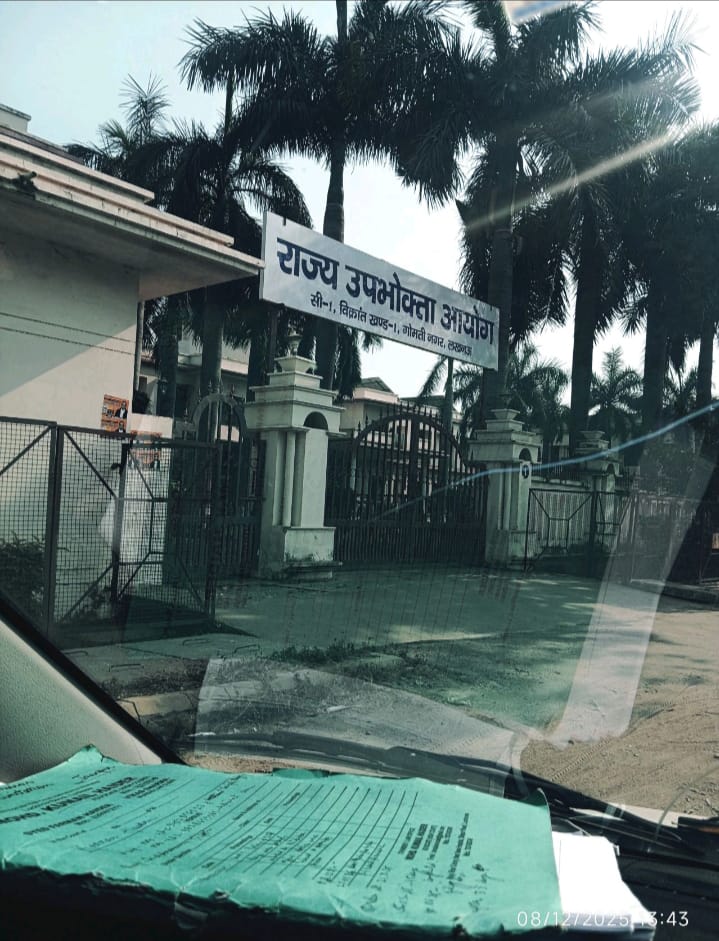
Legal Practice & Procedure – 28 Legal Practice & Procedure – 28 A lawyer should actively engage with a wide variety of matters before different forums, as this broad exposure strengthens the legal mind by sharpening reasoning, enhancing adaptability, and deepening analytical skills. Trial courts demand mastery over facts and evidence, appellate courts emphasize interpretation of law, and specialized tribunals require subject-specific expertise. So, navigating across these platforms cultivates versatility, strategic foresight, and procedural confidence. Such diversity not only refines judgment and practical wisdom but also builds credibility, professional growth, and client trust, ultimately shaping a resilient and well-rounded advocate capable of delivering effective advocacy across all domains of law.
Legal Practice & Procedure – 27
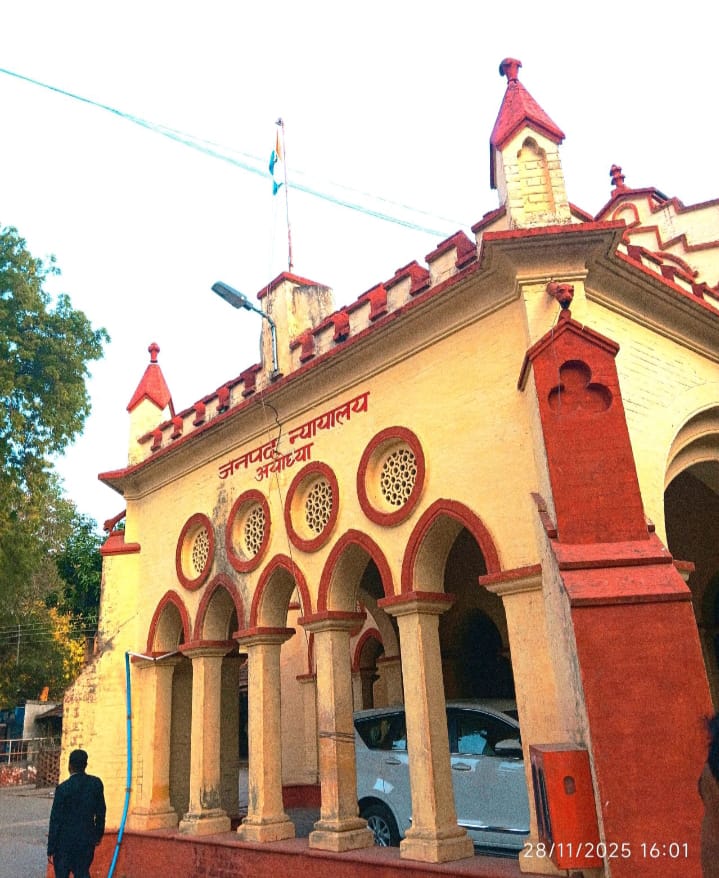
Legal Practice & Procedure – 27 Legal Practice & Procedure – 27 The Faizabad Civil Court reflects the city’s journey from Nawabi grandeur to colonial authority and modern Indian justice. Established after the annexation of Awadh in 1858, it replaced the Nawabi system where Nazims, Chakledars, and Faujdars managed administration. Located in Faizabad, once the capital under Nawab Shuja-ud-Daula, it became a symbol of structured governance. Recently, The Law Office of MKH (advkumail.com) appeared in two civil matters in this grandeur court: a property dispute in Rudauli concerning the Gata number, where a Written Statement was filed for Respondents, and a Declaration Suit under Section 7 of the Family Court’s Act r/w Section 34 of the Specific Relief Act, 1963, seeking divorce via Talaq-e-Hasan, admitted with notice issued, guided by AFR ruling by the Allahabad High Court in Arshad Hussain v. Shehneela Nishat.

Legal Practice & Procedure – 26
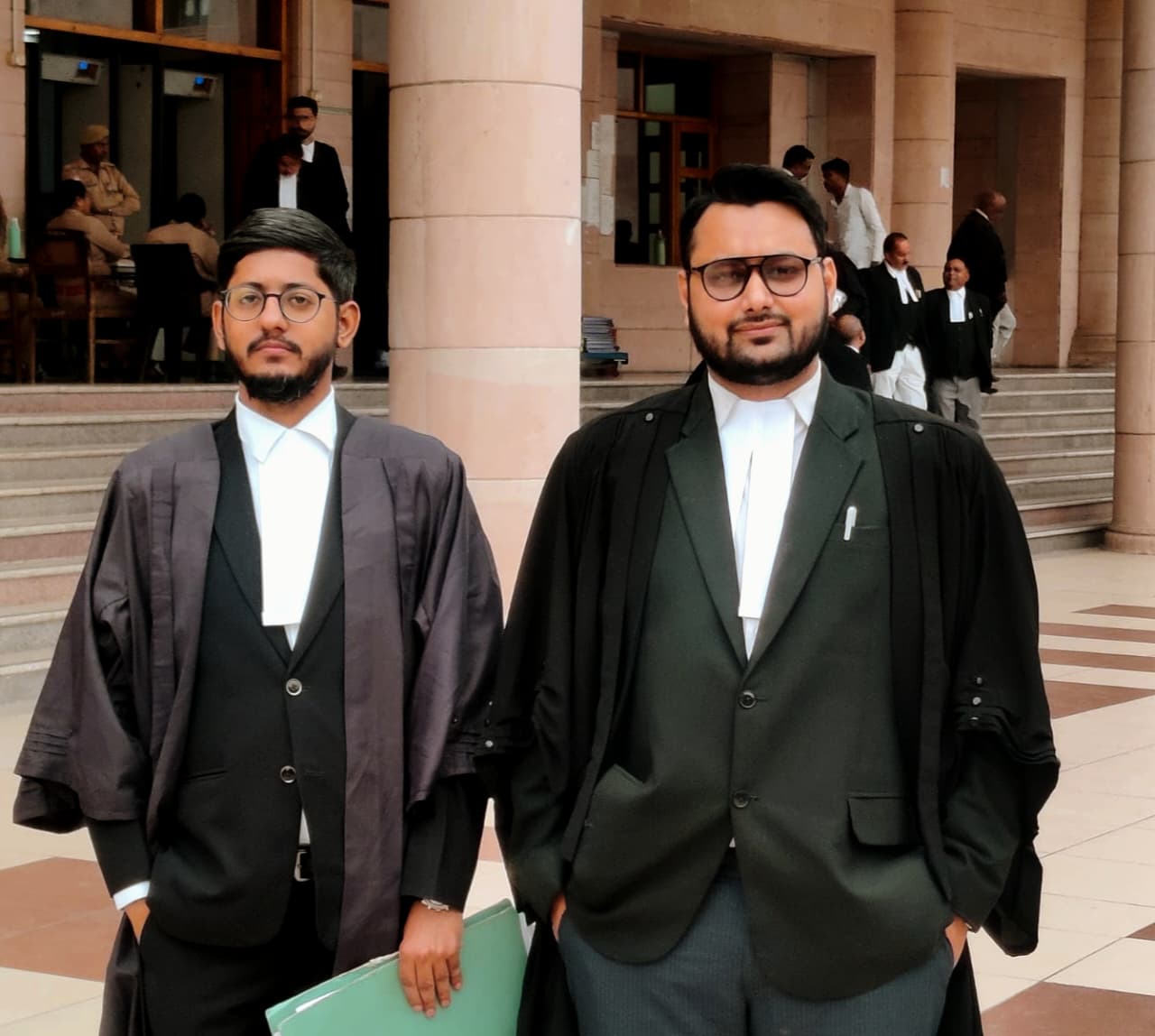
Legal Practice & Procedure – 26 Legal Practice & Procedure – 26 There is a saying in Sanskrit that a man will become great if he possesses five things beginning with the Sanskrit letter Va. They are Vasthra (good dress), Vapu (personality), Vak (power of speech), Vidya (knowledge) and Vinaya (humility). An advocate must possess all these requisites and have them in abundance, if he is to succeed in the profession and reach the pinnacle.
Legal Practice & Procedure – 25
Legal Practice & Procedure – 25 Legal Practice & Procedure – 25 Why settle for corporate monotony when litigation delivers daily drama, statutory variety, and real-world impact? In litigation practice, we don’t just counsel, rather we crusade. In the past few days, The Law Office Of MKH (advkumail.com) argued a major bail, a service law dispute, and a constitutional case on passport issuance. Up next? In a couple of days there are scheduled Trials and cross-examinations with more twists than a legal thriller. Litigation is theatre, chess, and poetry in motion. Each case tells a new story, each statute poses a fresh challenge. Arguing back-to-back matters that shape lives isn’t exhausting, instead it’s exhilarating. We thrive on adrenaline and advocacy. Because in the courtroom, the law isn’t just interpreted but is lived. And while some days may stall due to rigorous pendency, the ones that roar into argument remind us why this profession is noble, necessary, and endlessly magical.

Legal Practice & Procedure – 24
Legal Practice & Procedure – 24 Legal Practice & Procedure – 24 For lawyers, an imperative principle to remember is that no two cases in the world are ever similar in all respects. There is always some difference between one situation and another, although they may both raise the spectacle of a seeking identity. As no two finger prints on the hands of man are identical, so no two human situations or cases before the court are similar. There is always an individual peculiarity that may be used in favour before the court. There is always the singular touch.
Legal Practice & Procedure – 23
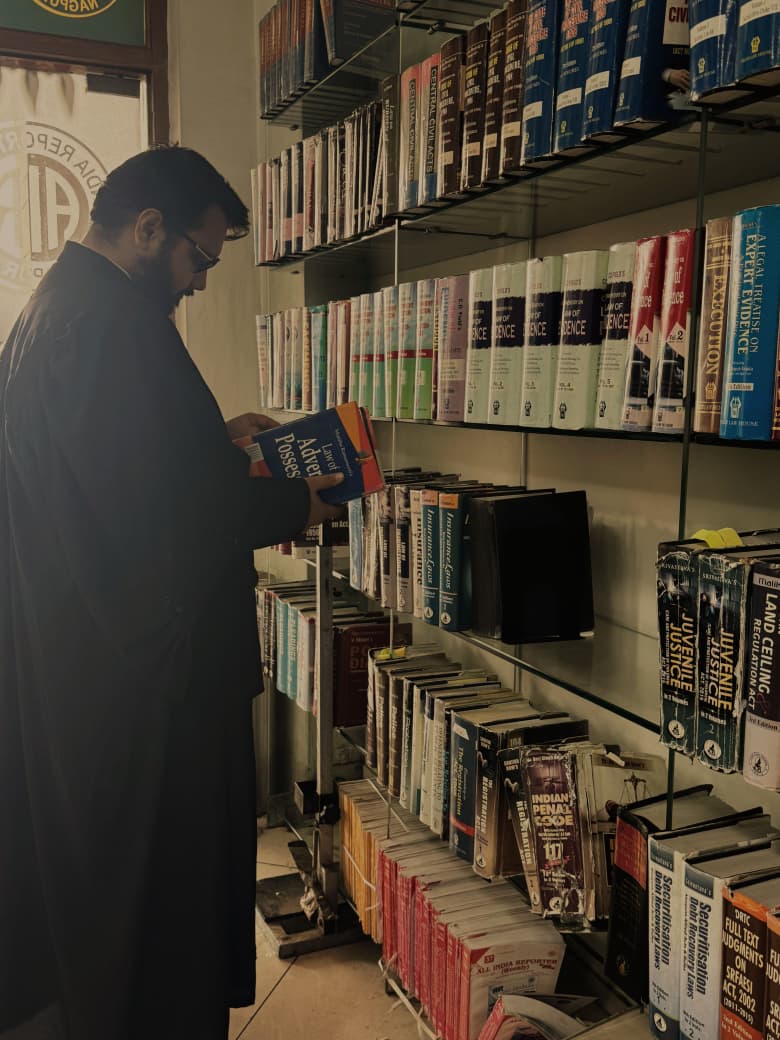
Legal Practice & Procedure – 23 Legal Practice & Procedure – 23 As a lawyer, being a walking, talking statute book isn’t enough. Clients demand more than just a legal analysis; they want their problems solved, and those problems inevitably reach far beyond the confines of lawyer’s technical expertise. A young modern lawyer must essentially be a multi-faceted problem-solver, because merely quoting case law when someone’s life is falling apart is, frankly, not enough.

Legal Practice & Procedure – 22
Legal Practice & Procedure – 22 Legal Practice & Procedure – 22 Written pleadings are fundamental in a civil action, serving as the essential tool to organize the case and ensure a fair process. Their primary objective is to facilitate the trial by clarifying the points at issue, enabling the court to determine the appropriate relief based on findings of law and fact. Equally crucial, they provide each party with prior notice of the opponent’s case, eliminating surprise and fostering fair play for the administration of justice. As Sir Grimwood Mears, former Chief Justice of the Allahabad High Court, advised junior lawyers, the “knowledge of the science of pleading is the essential equipment” for any successful professional, while its ignorance is a “daily impediment.” Therefore, a lawyer must diligently ascertain facts, gather evidence, and research the applicable law before drafting a pleading, which itself must be clear, cogent, and set out all material facts supporting the cause of action.

Legal Practice & Procedure – 21
Legal Practice & Procedure – 21 Legal Practice & Procedure – 21 You can’t spell “lawyer” without “paperwork.” Or, at least, that’s what it feels like when you’re meticulously preparing a case, only to be hit with pre-hearing defects. The legal system has its own sense of humor, often disguised as a request for more documents. But what’s a little administrative purgatory when you’re fighting for justice? After representing four cases on behalf of UP Police staff members who were charged with Parninda Pravishti (Censure Entry) in their service books in UP Public Services Tribunal, Lucknow. Our team from the law office of MKH (advkumail.com) thereafter celebrated with a well-deserved affogato from The Ritz. It was the perfect reward, proving that a little coffee and ice cream can put everything right again, even after a bureaucratic battle !

Legal Practice & Procedure – 20
Legal Practice & Procedure – 20 Legal Practice & Procedure – 20 Legal battle in India isn’t just a job, and those doing jobs have no idea how mammoth of it is to represent cases in courts. It is like a full-contact sport against bureaucracy, armed with nothing but patience and a mountain of paperwork. Clients’ demands can feel like a relentless tug-of-war, but the smartest lawyers know better than to snap. So, while clients expect a miracle, the best lawyers are busy just trying to win the war on impatience, one court date at a time !
Legal Practice & Procedure – 19
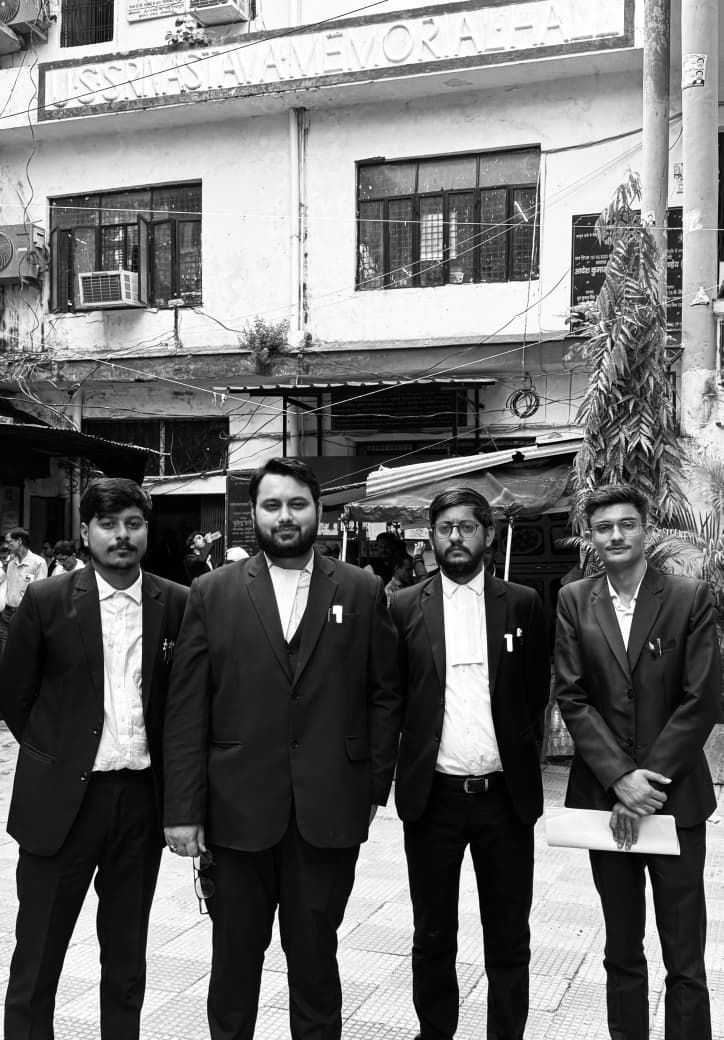
Legal Practice & Procedure – 19 Legal Practice & Procedure – 19 Real estate agents, take note: facilitating the sale or purchase of property in a registered project without a valid registration from the Real Estate Regulatory Authority (RERA) is a violation of the law. According to Section 9(1) of the RERA Act, it’s mandatory for all agents to be registered with the authority before they can legally operate in this capacity. Failure to comply can lead to serious consequences. Recently, a RERA authority took firm action against several agents who were found to be in violation of this crucial regulation. They were held liable for their non-compliance and were directed to pay a significant penalty of ₹3,69,600.

Legal Practice & Procedure – 18
Legal Practice & Procedure – 18 Legal Practice & Procedure – 18 Real estate agents, take note: facilitating the sale or purchase of property in a registered project without a valid registration from the Real Estate Regulatory Authority (RERA) is a violation of the law. According to Section 9(1) of the RERA Act, it’s mandatory for all agents to be registered with the authority before they can legally operate in this capacity. Failure to comply can lead to serious consequences. Recently, a RERA authority took firm action against several agents who were found to be in violation of this crucial regulation. They were held liable for their non-compliance and were directed to pay a significant penalty of ₹3,69,600.

Legal Practice & Procedure – 17
Legal Practice & Procedure – 17 Legal Practice & Procedure – 17 The Law Office Of MKH represented EMS Limited in an Arbitration Petition before the High Court of Judicature at Allahabad Lucknow Bench. In this case of Ems Limited vs. Union Of India, the Court has referred the matter for arbitration under Section 11(6) of the Arbitration & Conciliation Act of 1996. The Court found our arguments sound enough to deem it a fit case for arbitration since the respondents did not dispute the agreement, the existence of the arbitration clause, or its invocation. This is a crucial step forward in resolving the issues at hand pertaining to consideration of Rs. 9 Crores, 61 Lacks. The dispute, which concerns the refund of GST payments and other claims, will be arbitrated by the Hon’ble Mr. Justice R. K. Agarwal, a Former Judge of the Hon’ble Supreme Court of India. Grateful for the opportunity to represent the applicant, Ems Limited.
Legal Practice & Procedure – 16
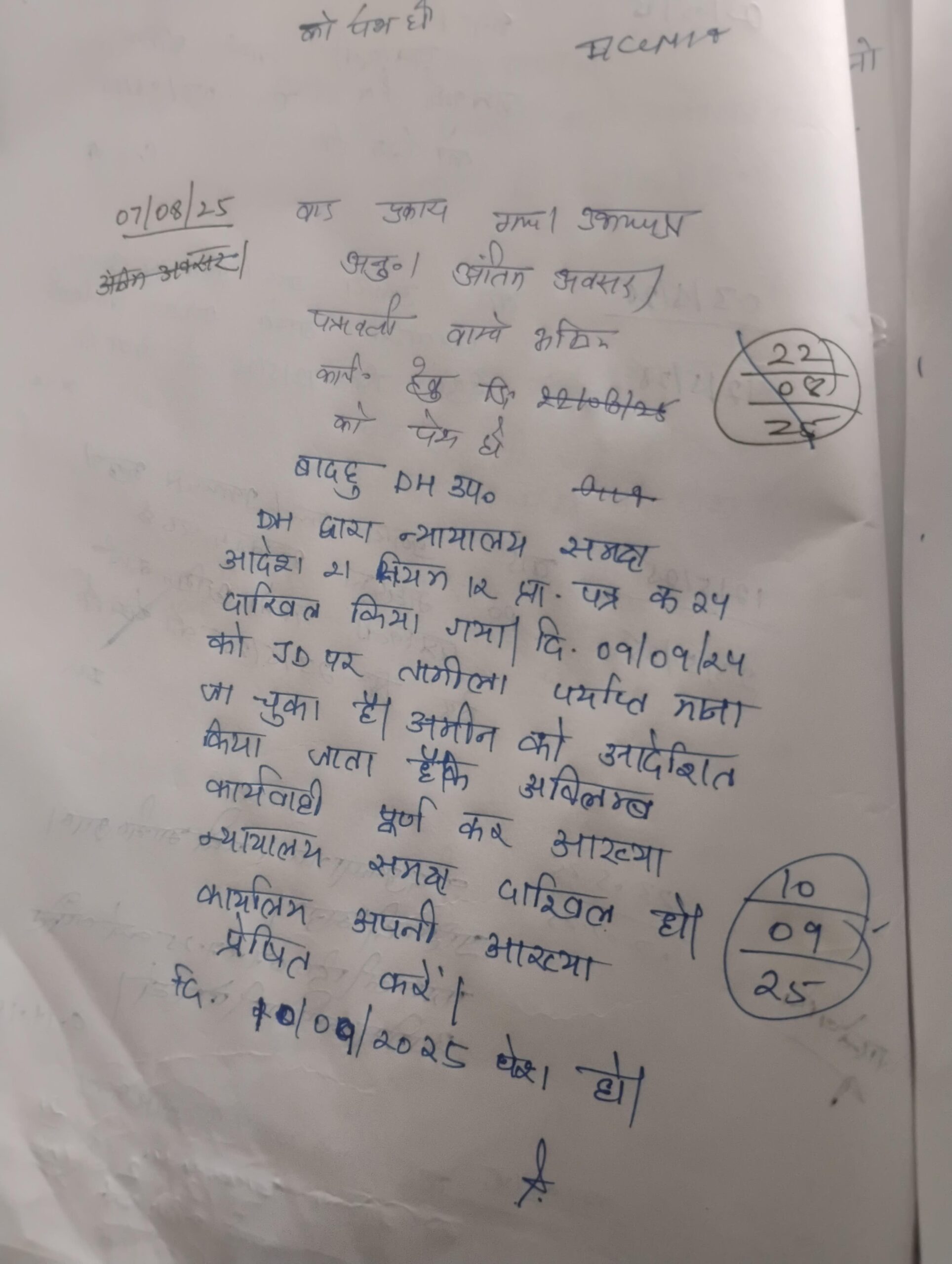
Legal Practice & Procedure – 16 Legal Practice & Procedure – 16 In another development, The Law Office Of MKH (adv.kumail) secured an order in an Execution Suit pending before the Barabanki Civil Court. The court accepted the application filed under Order 21, Rule 12 of the Code of Civil Procedure (CPC), and directed the Ameen (Court Commissioner) to execute the warrant of possession as a final opportunity. Such an order compels the transfer of possession of the subject property from the judgment debtors (opposite parties) to our clients, the decree-holders.

Legal Practice & Procedure – 15
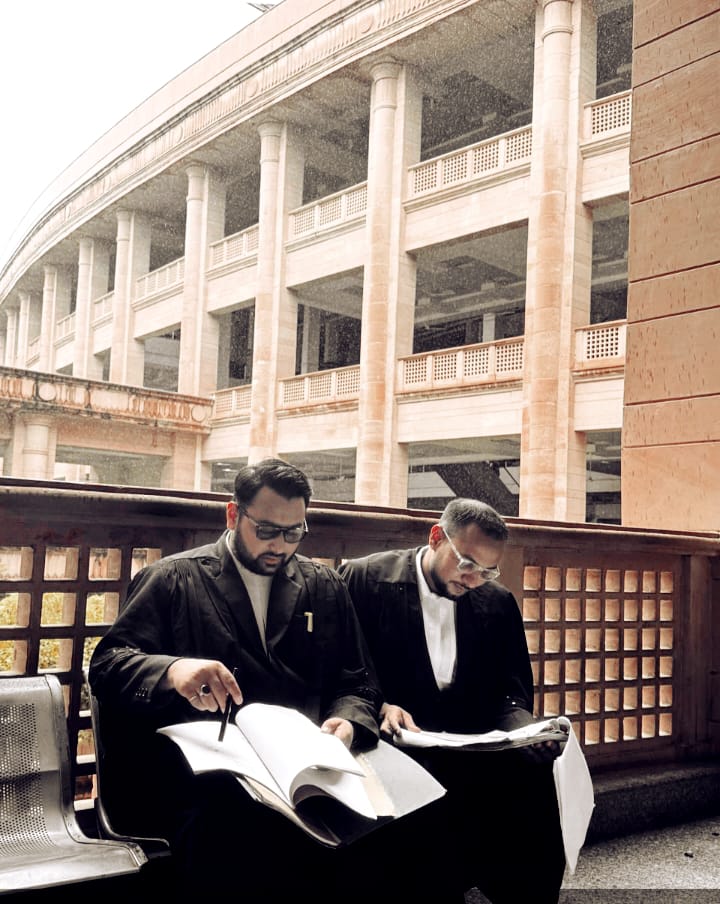
Legal Practice & Procedure – 15 Legal Practice & Procedure – 15 Think of the legal system as a car ! Trial practice is the engine. The engine is a bit greasy, takes a lot of work, and can get loud. But without it, you’re just pushing a really expensive, useless piece of metal down the road. Sure, the other parts – the fancy appeals, the subtle motions are nice, but they don’t get you anywhere without the engine. A weak engine means you’re not going to get very far, and substantial justice will be stuck in the parking lot. Note – This picture is from the Civil Court in Barabanki, Uttar Pradesh after securing the minimal yet important order for our clients related to Order 22, Rule 12, CPC, 1908.
Legal Practice & Procedure – 14
Legal Practice & Procedure – 14 Legal Practice & Procedure – 14 For us lawyers, there’s a joy that no fee can buy and that is the pure, unadulterated satisfaction of creating a legal draft from a blank page. Sure, getting paid is important; it’s how we afford our ridiculously expensive coffee and resources’ bills! But nothing beats the magical feeling of completing a complex task with nothing but your own grit and honesty. In a world where AI can now spit out drafts in seconds, the feeling of a job well done by your own hand and brain is more powerful, and frankly, more impressive than ever.
Legal Practice & Procedure – 13
Legal Practice & Procedure – 13 Legal Practice & Procedure – 13 Lawyers should be analytical, approaching situations by breaking down problems and scrutinizing details. They need to be persuasive communicators, articulating their points strategically. This requires a blend of healthy skepticism, always seeking the full picture, and fierce advocacy for their clients. The demanding nature of their work cultivates resilience and a strong emphasis on ethical judgment. Ultimately, lawyers should strive to be astute observers and determined problem-solvers in all aspects of their professional and personal lives.

Legal Practice & Procedure – 12
Legal Practice & Procedure – 12 Legal Practice & Procedure – 12 For young advocates in India, it’s tough when cases don’t get heard. This isn’t your fault; it’s a systemic issue. Cope by focusing on what you can control: prepare meticulously, follow up proactively, and use the time to learn and network. For clients, transparency is key. From day one, set realistic expectations about delays. When a case is postponed, explain why clearly and without jargon, showing empathy for their frustration. Communicate regularly, even with no news, and outline any limited next steps. By doing so, you build trust and manage their expectations effectively, turning a difficult situation into an opportunity to showcase your professionalism and dedication.