
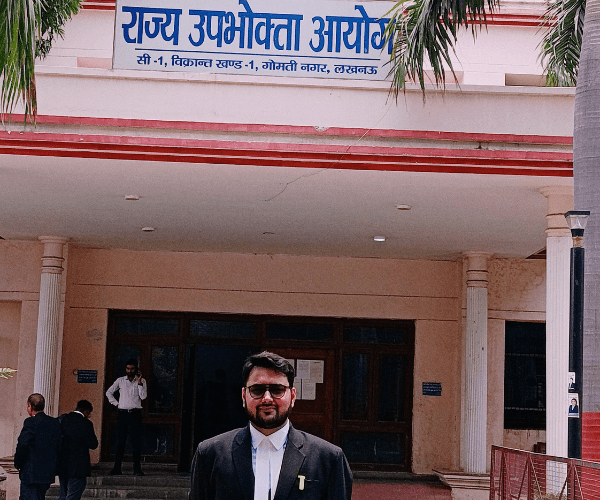
Legal Practice & Procedure – 11 Legal Practice & Procedure – 11 A good lawyer knows how to handle different types of judges. Some judges listen quietly, while others keep asking questions and even answer themselves. In such cases, the lawyer must stay patient and sharp. The lawyer must listen carefully to the judge’s questions, pick out the key legal and factual points, and then reply to each one clearly. Instead of getting frustrated, one may use the judge’s questions as a guide to shape arguments. With experience, a lawyer learns to turn this challenge into an advantage, making the case stronger while keeping the argumentative spirits on hold and at calm.

Legal Practice & Procedure – 32
Legal Practice & Procedure – 32 Legal Practice & Procedure – 32 I have learnt the lesson that in litigation, human effort is indispensable, but destiny governs the final relief. An advocate’s role is defined by discipline, diligence, and devotion to the client’s cause. In fact the lawyer must labor tirelessly, researching precedents, drafting with precision, and representing with sense sincerity while being the officer of the court, ensuring due diligence. Yet the outcome rests in the wisdom of the Bench. Thus, advocacy is both a craft of rigorous discipline and a humble submission to the systematic destiny.

Legal Practice & Procedure – 31
Legal Practice & Procedure – 31 Legal Practice & Procedure – 31 Advocacy is a lively blend of timing, persuasion, and preparation. The advocate must master the case file until it practically bows in respect, then select facts with the finesse of a chef choosing spices. Persuasion should be subtle, never loud, and strategy must be sharp, like a chess player anticipating moves. One must study the brief, the judge, and even the opponent’s quirks, sometimes their habits reveal more than their arguments. Advocacy is basically scholarship, theatre, and wit combined, where the right word at the right moment wins the day.
Legal Practice & Procedure – 30
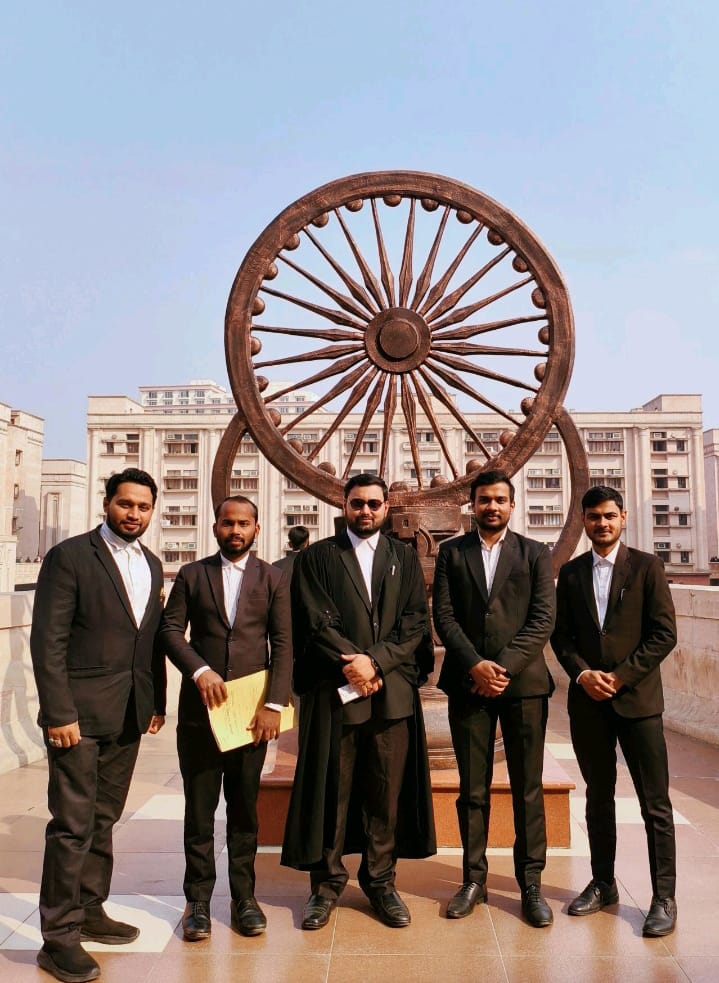
Legal Practice & Procedure – 30 Legal Practice & Procedure – 30 While working on a case related to the Essential Commodities Act, I happened to read a notable judgment authored by Justice K. J. Vaidya, arising from an appeal by the State of Gujarat against the order of the learned Chief Judicial Magistrate, Nadiad, in Criminal Case concerning Kiritbhai Maganbhai Patel, tried under Sections 3 and 7 of the Essential Commodities Act, 1955, the Court made a striking observation. Justice Vaidya lamented the malignant and dishonest device of “shifting responsibility” among public servants, a tendency which, he remarked, has been steadily increasing and has now assumed the character of a chronic disease, draining the very vitals of public interest. To illustrate this malaise, Justice Vaidya invoked a timeless anecdote: “This is the story of four people – Everybody, Somebody, Anybody, and Nobody. There was an important task to be done. Everybody was certain Somebody would do it. Anybody could have done it, but Nobody did. Somebody grew angry, for it was Everybody’s responsibility. Everybody thought Anybody could do it, but Nobody realized that Everybody would not. In the end, Everybody blamed Somebody, when Nobody did what Anybody could have.”
Legal Practice & Procedure – 29
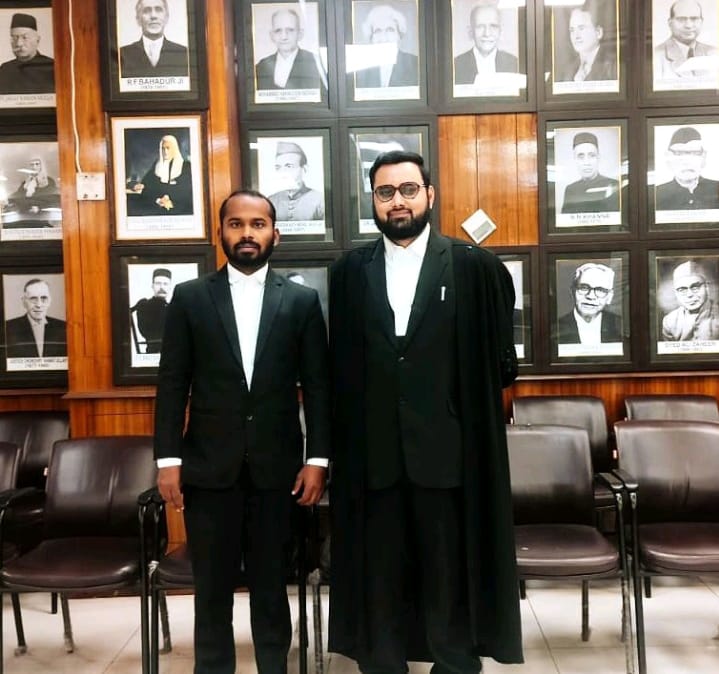
Legal Practice & Procedure – 29 Legal Practice & Procedure – 29 Archimedes, the renowned ancient Greek mathematician, physicist, and inventor, was celebrated for his profound contributions to geometry, mechanics, and hydrostatics, and for his timeless wisdom on human conduct. His maxim, “He who knows how to speak, knows also when,” captures the essence of strategic communication. For a litigation lawyer, this principle is indispensable. Courtroom advocacy demands not only eloquence but also the discernment of timing. Whether raising an objection, cross-examining a witness, or delivering final arguments, success lies in speaking with precision at the right moment. Thus, Archimedes’ insight mirrors the litigator’s art, persuasion sharpened by awareness and timing
Legal Practice & Procedure – 28
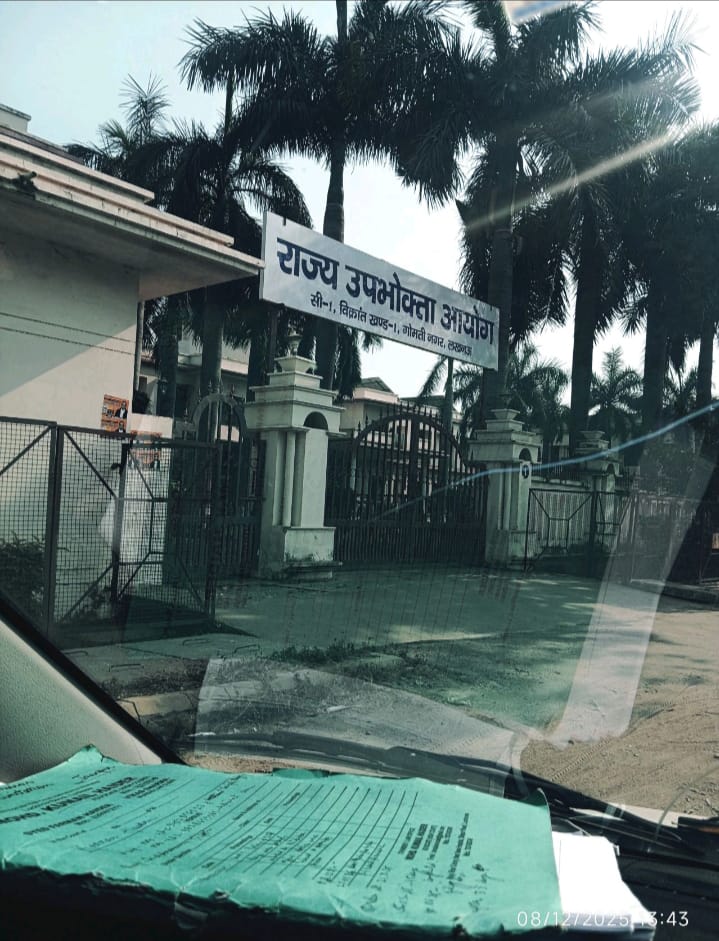
Legal Practice & Procedure – 28 Legal Practice & Procedure – 28 A lawyer should actively engage with a wide variety of matters before different forums, as this broad exposure strengthens the legal mind by sharpening reasoning, enhancing adaptability, and deepening analytical skills. Trial courts demand mastery over facts and evidence, appellate courts emphasize interpretation of law, and specialized tribunals require subject-specific expertise. So, navigating across these platforms cultivates versatility, strategic foresight, and procedural confidence. Such diversity not only refines judgment and practical wisdom but also builds credibility, professional growth, and client trust, ultimately shaping a resilient and well-rounded advocate capable of delivering effective advocacy across all domains of law.

Legal Practice & Procedure – 27
Legal Practice & Procedure – 27 Legal Practice & Procedure – 27 The Faizabad Civil Court reflects the city’s journey from Nawabi grandeur to colonial authority and modern Indian justice. Established after the annexation of Awadh in 1858, it replaced the Nawabi system where Nazims, Chakledars, and Faujdars managed administration. Located in Faizabad, once the capital under Nawab Shuja-ud-Daula, it became a symbol of structured governance. Recently, The Law Office of MKH (advkumail.com) appeared in two civil matters in this grandeur court: a property dispute in Rudauli concerning the Gata number, where a Written Statement was filed for Respondents, and a Declaration Suit under Section 7 of the Family Court’s Act r/w Section 34 of the Specific Relief Act, 1963, seeking divorce via Talaq-e-Hasan, admitted with notice issued, guided by AFR ruling by the Allahabad High Court in Arshad Hussain v. Shehneela Nishat.

Legal Practice & Procedure – 26
Legal Practice & Procedure – 26 Legal Practice & Procedure – 26 There is a saying in Sanskrit that a man will become great if he possesses five things beginning with the Sanskrit letter Va. They are Vasthra (good dress), Vapu (personality), Vak (power of speech), Vidya (knowledge) and Vinaya (humility). An advocate must possess all these requisites and have them in abundance, if he is to succeed in the profession and reach the pinnacle.
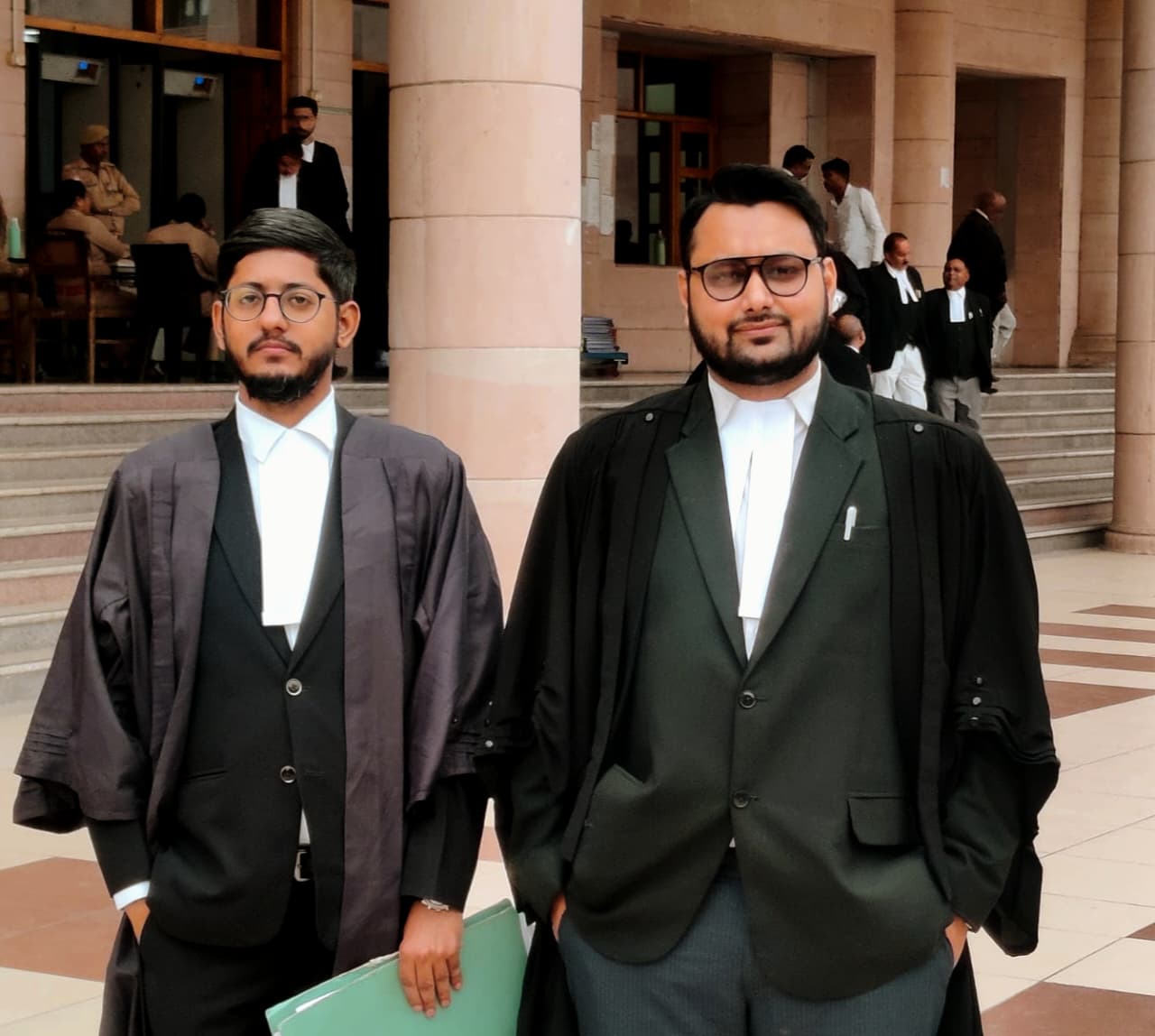
Legal Practice & Procedure – 25
Legal Practice & Procedure – 25 Legal Practice & Procedure – 25 Why settle for corporate monotony when litigation delivers daily drama, statutory variety, and real-world impact? In litigation practice, we don’t just counsel, rather we crusade. In the past few days, The Law Office Of MKH (advkumail.com) argued a major bail, a service law dispute, and a constitutional case on passport issuance. Up next? In a couple of days there are scheduled Trials and cross-examinations with more twists than a legal thriller. Litigation is theatre, chess, and poetry in motion. Each case tells a new story, each statute poses a fresh challenge. Arguing back-to-back matters that shape lives isn’t exhausting, instead it’s exhilarating. We thrive on adrenaline and advocacy. Because in the courtroom, the law isn’t just interpreted but is lived. And while some days may stall due to rigorous pendency, the ones that roar into argument remind us why this profession is noble, necessary, and endlessly magical.

Legal Practice & Procedure – 24
Legal Practice & Procedure – 24 Legal Practice & Procedure – 24 For lawyers, an imperative principle to remember is that no two cases in the world are ever similar in all respects. There is always some difference between one situation and another, although they may both raise the spectacle of a seeking identity. As no two finger prints on the hands of man are identical, so no two human situations or cases before the court are similar. There is always an individual peculiarity that may be used in favour before the court. There is always the singular touch.